I'm really happy with our remake because I was in charge of directing the actors and choosing where to shoot. The role of director boosted myself confidence I felt more involved and I got excited that my group were taking my idea's and applying it while shooting. So I'm thinking for the film opening that will shoot as a group I would like to be behind screen since I'm confident .
Also, the remake, makes me think of time managing when shooting our film opening this because we missed one shot that was planned on our storyboard (we had to get back to class before break to return the equipment) . This gives me the idea that when we make our film opening we need to have a time schedule so that we don't miss any scene.
Editing took us less than 2 hours but we were able to get the sound track, title and order of credits. I like the beat that we chose, it was catchy and fun to listen to. So I'm guessing for our film opening we will use an upbeat sound track a way to grab the audience attention (as sound is 50%)
Monday, 31 October 2016

Blogging task 23
Blogging Health check 1

As you can see from my feedback, my blog is up to date but there are numerous ways it can be improved which I will be applying over this half term. The first method that I shall be doing to improve my work is explaining all key areas of my post more in depth. I will be doing this by evaluating and explaining all my point I have made thus explaining why I chose them. Another way I will be improving my work is by applying more evidence in my research with direct sources of media so it is easy to view. By doing this it will help my work more legitimate and helm me when planning my final cut. Furthermore, I will also improve my work by using a bigger variety of media forms for viewers to view my blog and make it easier from them to navigate and for my blog to be presented more appealingly. I will also proof check any technological errors so that my blog is clear and easy to view.
Saturday, 29 October 2016
Blogging task 17
Saw sound analysis in title sequence
In this film title sequence, the sound director uses a mixture of diegetic and non diegetic sounds to make the viewer build tension so that the movie creates a horror like suspensive atmosphere. The extreme background music sounds like a heartbeat whilst the screeching and screaming sound obviously are codes and conventions of a horror genre. By doing this, the viewer is more immersed and elusive towards the ,movie as well as on the edge of their seats from the offset.
Although the genre's sound blatantly convey that it is a horror, it also uses sound conventions of other genres to appeal to other audiences not just horror movie lovers. This also connotes that the violent sounds as well as the other sound help portray other genres in this film such as mystery and horror which also help the title sequence more appealing.
Although the genre's sound blatantly convey that it is a horror, it also uses sound conventions of other genres to appeal to other audiences not just horror movie lovers. This also connotes that the violent sounds as well as the other sound help portray other genres in this film such as mystery and horror which also help the title sequence more appealing.
Blogging task 16
Sound in film
Sound is extremely important to films as it hooks on the viewer in more than once sense to make the movie feel more immersive and less boring. It also gives a title sequence more appeal from the off set and keeps them hooked throughout the film.
Sound - Waves that travel into ones ear through the air
Soundscape- Layers of sound blended together
Suspending belief- Believing in the impossible for a enjoyable experience
Wild track- a sound recording made without the cameraman
diagetic- natural sound
non diagetic- non natural sound (edited)
voice over- a narration
Foley- addition of a recording sound effect added on film.
Sound bridge- sounds that lead in and out of film
Collateral Remake
Practical Remake evidence of editing
In this blog post, we show you how we edited our remake activity, This in turn helped us learn new editing skills such as slow motion and sound fixes and how we can apply them to our own title sequence.

Remake - Evidence of Filming
Practical Remake Evidence of Filming
This is Reeve and Emanuella filming Mohamud and Quincy acting in the collateral remake. From this we learned skills of camera angles as well as manipulating the tripod for our own purposes and how we can apply it to our target audience in our main title sequence.


Shot-by-shot Remake Storyboards
Practical Remake Evidence Of Planning
These are the storyboards drawn by Reeve with help from the rest of the group. They played a pivotal role in helping with the filming and ave us insight on how we should plan for our main title sequence.


Friday, 28 October 2016

Sound
Why is sound important in films ?
Sound is important in a film as it is used to establish the tone and the atmosphere of the film, it also gives the audience clues about the plot, characters, and genre of the film. It is also used to 'suspend disbelief' which is the idea of moving the audience to the world of the film. This is a must in a film to create realism for the viewer.
The director of the Star Wars franchise, argues that sound is 50%. Meaning that the product or film is incomplete without sound.
What is sound : vibrations that travel through the air
What is sound-scape: a piece of music considered in terms of its component sounds
What is sound design: is the process of specifying, manipulating or generating audio elements
What is 'suspend disbelief' : the idea to get the audience in the world of the film
Only diegetic sounds we watched a clip without sound and thoughts on it:
-boring
-not interested
-not engaged
-uninformed
Only non-Diegetic sounds
Then we watched with out sound which was more interesting, I started to engage with the actors and it became more understand able and helped create some suspend disbelief.
Both diegetic and non-diegetic sounds
When both types of sounds were present, it got more engaging and entertaining.
The mix of sound increased tension while also helping create a sense of realism. In addition suspending disbelief became more successful with both sounds involved as it create a realistic world within the film.
Sound is important in a film as it is used to establish the tone and the atmosphere of the film, it also gives the audience clues about the plot, characters, and genre of the film. It is also used to 'suspend disbelief' which is the idea of moving the audience to the world of the film. This is a must in a film to create realism for the viewer.
The director of the Star Wars franchise, argues that sound is 50%. Meaning that the product or film is incomplete without sound.
What is sound : vibrations that travel through the air
What is sound-scape: a piece of music considered in terms of its component sounds
What is sound design: is the process of specifying, manipulating or generating audio elements
What is 'suspend disbelief' : the idea to get the audience in the world of the film
Only diegetic sounds we watched a clip without sound and thoughts on it:
-boring
-not interested
-not engaged
-uninformed
Only non-Diegetic sounds
Then we watched with out sound which was more interesting, I started to engage with the actors and it became more understand able and helped create some suspend disbelief.
Both diegetic and non-diegetic sounds
When both types of sounds were present, it got more engaging and entertaining.
The mix of sound increased tension while also helping create a sense of realism. In addition suspending disbelief became more successful with both sounds involved as it create a realistic world within the film.
Thursday, 27 October 2016
Monday, 24 October 2016
Sunday, 23 October 2016
Thursday, 20 October 2016
Wednesday, 19 October 2016
Analysing previous student work.
This is a title sequence done by a previous group of Media Studies student.
With this title sequence, it has an ambient quiet little tune playing along with the moving images which makes the title sequence a whole lot creepier and mysterious in the first half. In the second half of the title sequence, a more upbeat and intense tune is playing exactly when who appears as the antagonist enters the same area as the protagonist who seems much more helpless and weaker compared to the more bigger and masculine bad guy. The credits themselves are ordered well, starting off with the main actress and then the title of the film appearing across the whole screen. The font is simple and basic which i think they could've improved on, they could've also edited the credits so that they appear in beat with the tune playing so that they would fit in better.
I do think that all of the shots are really well done and particularly how the title sequence ended with the candle being blown out, and then the screening switching blank as if there's no light source left in the room that the shot was taken in.
4 types of title sequences
Titles on a blank screen.
Low budget and simple with a clear font stylised to fit in with the film. This type of opening to a film doesn't give anything story-wise to the audience and are usually considered boring as the audiences have to sit through and are forced to read the credits.
Low budget and simple with a clear font stylised to fit in with the film. This type of opening to a film doesn't give anything story-wise to the audience and are usually considered boring as the audiences have to sit through and are forced to read the credits.
Titles with images moving.
This type of title sequence makes it possible for the intro to go straight into the movie itself. It's possibly the most informative out of the 4 types when it comes to telling us about the story as it captures the action of possibly the characters, scenery or whatever else is going on which can gives us hints as to what to expect.
Favourite film task 9
THE WEINSTEIN COMPANY AND COLUMBIA PICTURES PRESENT
-a film by QUENTIN TARANTINO
-JAMIE FOXX
-CHRISTOPH WALTZ
-LEONARDO DiCAPRIO
-KERRY WASHINGTON
-SAMUEL L. JACKSON
-DJANGO UNCHAINED
-costarring
WALTON GOGGINS
DENNIS CHRISTOPHER
JAMES REMAR
DAVID STEEN
DANA GOURRIER
NICHOLE GALICIA
LAURA CAYOUETTE
ATO ESSANDOH
SAMMI ROTIBI
CLAY DONAHUE FONTENOT
ESCALANTE LUNDY
-MIRIAM F. GLOVER
- and DON JONHSON as BIG DADDY
- and with the friendly participation of FRANCO NERO
- django theme by LUIS ENRIQUEZ BACALOV
- casting by VICTORIA THOMAS
- film editor FRED RASKIN
- original song
'ANCORA QUI'
written by
ENNIO MORRICONE
and
ELISA TOFFOLI
sung by
ELISA
-Executive producers :
BOB & HARVEY WEINSTEIN
SHANNON McINTOSH
-MICHAEL SHAMBERG
JAMES W. SKOTCHDOPOLE
- costume designer SHAREN DAVIS
- production designer J. MICHAEL RIVA
- director of photography ROBERT RICHARDSON a.s.c
- produced by STACEY SHER
REGINALD HUDLING
PILAR SAVONE
First off.. All the big actors along with Quentin Tarantino's name appear at the very start of the intro when there isn't much going on except for an unique theme song to the movie and the western setting, the camera then moves to a group of people, along with the protagonist Django (Jamie Foxx) making a journey through the wild western setting with other names appearing on the screen, not too much happens in the film itself, so all the credits after still get a lot of attention from the audience.
TASK 14: Micro and Macro analysis
THE TAKING OF PELHAM 1 2 3 (2009):
MICRO ANALYSIS:
Camera:
The camerawork in the opening credits for the film is a bit strange. There are many shots, where it is filmed incredibly shaky and a bit unfocused (kind of like if a child tried to film something without knowing how a camera works), there are also various scenes where the camera has very quick movement, such as fast, blurry pans and just moving through locations really fast. There a also quite a few moments when the shots are filmed at a very low frame rate, giving the video a very choppy, rough and slow look to it. Occasionally, things would be framed more on the side rather than centred with the camera. There are a couple shots where the camera focuses on one character, and may either pan along with them (like the first moment Travolta's character appears), or will remain stationary (usually when the character isn't moving). This kind of camera work is more common when the antagonists of the film are on screen or when they are present in an area. When the protagonist is on screen, the camerawork tends to be more traditional and tolerable.
Editing:
There are very fast and rapid cuts featured within the opening credits. During the Columbia Ident and the first parts of the opening, the screen is zoomed out very far, and progressively zooms in, back to normal size (why it happens is beyond me). Usually when the film is focusing on the antagonists, the cuts get more rapid, some sequences are slowed down for 'dramatic' effect, or sped up on occasion. The text, credits and titles seem to be integrated into the scene itself, such as titles or black bars (representing trains?) appear and move behind and in front of various characters or objects on screen. Sometimes, the text moves around with objects on screen, like one occasion where text appears to be moving alongside and in front of a train, before stopping at a stop, as if the text were a passenger. One a few occasions, characters and objects on screen are used for transitions, such as a person walking by in front of the camera being used to show the next scene appearing behind the character. As mentioned earlier, the scenes with the protagonists seem to play normally, without any 'wacky' 'stylish' edits, except for when text appears on screen. The music also has slight timing with the edits, such as more sped up footage being used during the 'louder' parts of the song, with normal or slow footage playing over the quieter moments of the song. For the main titles, the appearance of "1-2-3" on screen was timed with the song.
Mise-en-scene:
The antagonists tend to appear wearing darker, more casual clothing. Some may be a bit conspicuously dressed (like Travolta, who is wearing a black beanie and sunglasses) or may have visible injuries such as a scar or a 'plaster' over a persons nose, some of them also have visible tattoos. The protagonists seem to be more smartly dressed and do not look conspicuous at all.
Sound:
The opening primarily plays Jay-Z's '99 Problems' during it. Scenes with the protagonists seem to have more calm, traditional film score playing, while the antagonists have '99 Problems', which is more 'aggressive'. Sometimes, the music during the antagonist's scenes cut '99 Problems' off to play more tense film score, but suddenly cut back to '99 Problems' with no rhyme or reason. Sometimes, random sound effects are heard throughout the opening, but sometimes, certain sounds are timed with things seen onscreen, such as sniffing or the sounds of trains.
MACRO:
What is the key plot introduced in the title sequence?
There are a few people who are planning to take over a train, and the people in the control room most likely need to do something to stop them.
In what order is the storyline introduced?
In real-time (?) it seems. The plot from both the protagonists and antagonists perspectives seem to to happening at similar or the same time, as the film repeatedly cuts between their perspectives.
What characters are introduced? When and how?
The main antagonist (Travolta) is shown first, entering the subway. The people we believe to be helping Travolta are shown right after standing around in the subway, some holding bags and such, waiting in at the terminal or another who appears to be going into the subway himself, and the last one waiting at a different terminal. After that, the main protagonist and his 'fellow workers' are shown, doing work and having conversations.
What social groups are represented? How are they represented?
Criminals are represented in a negative light because criminals are bad. They are made to look more casual and unkempt. They seem to have either injuries or tattoos, to probably make them look more tough and threatening. The protagonists are presented to look more neat and tidy in comparison, so they look less threatening and more relatable.
MICRO ANALYSIS:
Camera:
The camerawork in the opening credits for the film is a bit strange. There are many shots, where it is filmed incredibly shaky and a bit unfocused (kind of like if a child tried to film something without knowing how a camera works), there are also various scenes where the camera has very quick movement, such as fast, blurry pans and just moving through locations really fast. There a also quite a few moments when the shots are filmed at a very low frame rate, giving the video a very choppy, rough and slow look to it. Occasionally, things would be framed more on the side rather than centred with the camera. There are a couple shots where the camera focuses on one character, and may either pan along with them (like the first moment Travolta's character appears), or will remain stationary (usually when the character isn't moving). This kind of camera work is more common when the antagonists of the film are on screen or when they are present in an area. When the protagonist is on screen, the camerawork tends to be more traditional and tolerable.
Editing:
There are very fast and rapid cuts featured within the opening credits. During the Columbia Ident and the first parts of the opening, the screen is zoomed out very far, and progressively zooms in, back to normal size (why it happens is beyond me). Usually when the film is focusing on the antagonists, the cuts get more rapid, some sequences are slowed down for 'dramatic' effect, or sped up on occasion. The text, credits and titles seem to be integrated into the scene itself, such as titles or black bars (representing trains?) appear and move behind and in front of various characters or objects on screen. Sometimes, the text moves around with objects on screen, like one occasion where text appears to be moving alongside and in front of a train, before stopping at a stop, as if the text were a passenger. One a few occasions, characters and objects on screen are used for transitions, such as a person walking by in front of the camera being used to show the next scene appearing behind the character. As mentioned earlier, the scenes with the protagonists seem to play normally, without any 'wacky' 'stylish' edits, except for when text appears on screen. The music also has slight timing with the edits, such as more sped up footage being used during the 'louder' parts of the song, with normal or slow footage playing over the quieter moments of the song. For the main titles, the appearance of "1-2-3" on screen was timed with the song.
Mise-en-scene:
The antagonists tend to appear wearing darker, more casual clothing. Some may be a bit conspicuously dressed (like Travolta, who is wearing a black beanie and sunglasses) or may have visible injuries such as a scar or a 'plaster' over a persons nose, some of them also have visible tattoos. The protagonists seem to be more smartly dressed and do not look conspicuous at all.
Sound:
The opening primarily plays Jay-Z's '99 Problems' during it. Scenes with the protagonists seem to have more calm, traditional film score playing, while the antagonists have '99 Problems', which is more 'aggressive'. Sometimes, the music during the antagonist's scenes cut '99 Problems' off to play more tense film score, but suddenly cut back to '99 Problems' with no rhyme or reason. Sometimes, random sound effects are heard throughout the opening, but sometimes, certain sounds are timed with things seen onscreen, such as sniffing or the sounds of trains.
MACRO:
What is the key plot introduced in the title sequence?
There are a few people who are planning to take over a train, and the people in the control room most likely need to do something to stop them.
In what order is the storyline introduced?
In real-time (?) it seems. The plot from both the protagonists and antagonists perspectives seem to to happening at similar or the same time, as the film repeatedly cuts between their perspectives.
What characters are introduced? When and how?
The main antagonist (Travolta) is shown first, entering the subway. The people we believe to be helping Travolta are shown right after standing around in the subway, some holding bags and such, waiting in at the terminal or another who appears to be going into the subway himself, and the last one waiting at a different terminal. After that, the main protagonist and his 'fellow workers' are shown, doing work and having conversations.
What social groups are represented? How are they represented?
Criminals are represented in a negative light because criminals are bad. They are made to look more casual and unkempt. They seem to have either injuries or tattoos, to probably make them look more tough and threatening. The protagonists are presented to look more neat and tidy in comparison, so they look less threatening and more relatable.
Genre and target audience research
Which 3 genres were most successful at the UK box office?
The three most successful genres at the UK box office were Animation, Action and Comedy. (in 2013)
Which 3 genres were least popular or successful at the UK box office?
The three least popular genres at the UK box office were romance, War and Documentary. (in 2013)
Which film genre had the most films released in 2013-14 (not the most successful but the biggest number of films made)?
Comedy has had the most films released as 153 comedy films were released in 2013. This was then followed by Drama films with 141 releases and Documentary with 89 releases. The most popular genre, Animation, had 33 films released. 47 Action films were released.
This shows us that Comedy is the most popular genre amongst directors as they had the most films released. However, even with it's large amount of film releases compared to animation and action, Comedy still wasn't the most successful genre. Animation had the least number of films released amongst the top three most successful genres and yet animation done the best. People might look more forward to animation films compared to Comedies as they aren't released as frequent each year around.
Comedy and action are both really broad genres in a way that they both target different audience. Some action films might be targeted at older more mature audience whereas others aren't as gory and offensive. This means that both genres have a really wide and large target audience as they're almost able to target all age-groups. Individual animation films however, all tend to be targeted at families, which also means that each individual film is targeted at all ages. Also, Animation might be more popular amongst females compared to action films.
Which age group made up the largest proportion of cinema admissions in the UK?
The age group that visited the cinema the most ranges from about 15-24 with the Hangover Part III being the most popular comedy film visited by the age range.
Which film was the most popular with the over 50s? What genre is this film?
The most popular film with people over the age of 50 was Sunshine on Leith and Quartet which are both Drama/Comedy films.
Which genres were most popular with men/women?
In 2012. Thriller, action and comedy where the most popular with men (Captain phillips, Star Trek into Darkness) Whereas women had a much broader range of genre (Frozen, About time.) However, in 2013, women did prefer UK films.
7-14 age group, preferred films and genre.
The most popular films for children aged 7-14 were, Wreck-it Ralph, Despicable Me 2 and Monster University which are all animation films.
25-34 age group, preferred films.
People aged 25-34 enjoyed Django Unchained, Fast & Furious 6 and Rush the most.
People from London preferred action films whereas the people from Scotland preferred drama films.
The three most successful genres at the UK box office were Animation, Action and Comedy. (in 2013)
Which 3 genres were least popular or successful at the UK box office?
The three least popular genres at the UK box office were romance, War and Documentary. (in 2013)
Which film genre had the most films released in 2013-14 (not the most successful but the biggest number of films made)?
Comedy has had the most films released as 153 comedy films were released in 2013. This was then followed by Drama films with 141 releases and Documentary with 89 releases. The most popular genre, Animation, had 33 films released. 47 Action films were released.
This shows us that Comedy is the most popular genre amongst directors as they had the most films released. However, even with it's large amount of film releases compared to animation and action, Comedy still wasn't the most successful genre. Animation had the least number of films released amongst the top three most successful genres and yet animation done the best. People might look more forward to animation films compared to Comedies as they aren't released as frequent each year around.
Comedy and action are both really broad genres in a way that they both target different audience. Some action films might be targeted at older more mature audience whereas others aren't as gory and offensive. This means that both genres have a really wide and large target audience as they're almost able to target all age-groups. Individual animation films however, all tend to be targeted at families, which also means that each individual film is targeted at all ages. Also, Animation might be more popular amongst females compared to action films.
Which age group made up the largest proportion of cinema admissions in the UK?
The age group that visited the cinema the most ranges from about 15-24 with the Hangover Part III being the most popular comedy film visited by the age range.
Which film was the most popular with the over 50s? What genre is this film?
The most popular film with people over the age of 50 was Sunshine on Leith and Quartet which are both Drama/Comedy films.
Which genres were most popular with men/women?
In 2012. Thriller, action and comedy where the most popular with men (Captain phillips, Star Trek into Darkness) Whereas women had a much broader range of genre (Frozen, About time.) However, in 2013, women did prefer UK films.
7-14 age group, preferred films and genre.
The most popular films for children aged 7-14 were, Wreck-it Ralph, Despicable Me 2 and Monster University which are all animation films.
25-34 age group, preferred films.
People aged 25-34 enjoyed Django Unchained, Fast & Furious 6 and Rush the most.
People from London preferred action films whereas the people from Scotland preferred drama films.
Target audience
What is a 'target audience?'
A target audience is the specific group of people at which a certain product is aimed at. For example, an animated film such as 'Nemo' specifically targets younger audiences as they're likely to enjoy the film more. However, that doesn't mean that everyone who is older won't enjoy the film.
There are different groups of audiences that a film could target. These could include:
- Gender
- Age
- Ethnic background
- Location (They currently live in/ grew up in)
- Lifestyle & Interests.
Having a target audience helps with the promotion of the film as the promoters will have a good idea of how to design their advertisements or even where to place them. A film targeted towards children might have adverts running on tv channels with cartoon shows.
It can also help with the production of the film because having a target audience can help the scriptwriters of the script or even influence the story of the film itself.


Blogging task 13
Audience Research
An audience is made up of a specific market segment. market segments includes gender, age, culture, religion etc.
Film distribution companies uses target audience in order to specifically target the with the sheer focus to target these audiences in order to maximize revenue and profits.
This allows to film producers to be contextual with the codes and conventions of a genre and make it specific to a certain target audience.
In my primary data, i interviewed fellow college students at saying which genres appealed most to them. I noticed that the females aged 16-18 where more attracted to the romance, comedy and thriller genres whilst the males preferred action, crime and thriller. I than researched on the BFI statistical yearbook that the age range 16-24 who are the most persistent cinema goers also preferred a synergy of these genres.
From analysing my data i can see that thriller, crime and comedy are the most selected genres. I believe this is mostly due to the fact that crime is engaging whilst comedies are fun and action leaves the audience at the edge of there seat. These are all common for Teens to enjoy.
Personally, i would preferably make a synergy urban crime thriller directed at teenager and young adults in the UK as the diolouge and the context will be directed towards them and these genres is not being uded to the full extent and there is a gap in the market for it. Example's of this only include Top Boy which has had a surge of success but is only on the small screen.
An audience is made up of a specific market segment. market segments includes gender, age, culture, religion etc.
Film distribution companies uses target audience in order to specifically target the with the sheer focus to target these audiences in order to maximize revenue and profits.
This allows to film producers to be contextual with the codes and conventions of a genre and make it specific to a certain target audience.
In my primary data, i interviewed fellow college students at saying which genres appealed most to them. I noticed that the females aged 16-18 where more attracted to the romance, comedy and thriller genres whilst the males preferred action, crime and thriller. I than researched on the BFI statistical yearbook that the age range 16-24 who are the most persistent cinema goers also preferred a synergy of these genres.
From analysing my data i can see that thriller, crime and comedy are the most selected genres. I believe this is mostly due to the fact that crime is engaging whilst comedies are fun and action leaves the audience at the edge of there seat. These are all common for Teens to enjoy.
Personally, i would preferably make a synergy urban crime thriller directed at teenager and young adults in the UK as the diolouge and the context will be directed towards them and these genres is not being uded to the full extent and there is a gap in the market for it. Example's of this only include Top Boy which has had a surge of success but is only on the small screen.
Blogging Task 12
Statistical Research
The British film industry is without a shadow of a doubt the most influential in the entire film industry after the USA who have Hollywood. This has leaded me into doing research on what the British public prefer cinematically and analyze why these movies are successful in the box office. I did this my breaking down the British public into Target markets who have similar preferences due to age, gender, culture, ethnicity and religion.
By looking at and analyzing the BFI statistical yearbook I mange to answer all these basic questions.
The first question is asked was which 3 genres were the most and least successful in the box office? The top 3 was animation, action and comedy and the worst 3 was romance, documentary and war films.
What age were the most had the most cinema admissions?
The age group was 15- 24 year olds. In the year 2013, the Hangover had the most success with this specific age range.
Which films are the most popular with both genders?
Men tended to watch more action, thriller and comedy movies whilst woman had a bigger range when it came to genre choice. However, romantic comedies as well as animations were obvious stand outs. In the UK woman were actually more likely to go cinema than men.
Which genre had most films made?
Comedy as it is suited to both genders and all audiences.
What is the job of The film production company?
To make a high profit from a good investment by producing a film.

Which genre had most films made?
Comedy as it is suited to both genders and all audiences.
What is the job of The film production company?
To make a high profit from a good investment by producing a film.

Tuesday, 18 October 2016
Blogging task 10
Types of title sequences
There are 3 different types of title sequences:
- Titles on a blank screen
- Title sequence on a picture
- Stylized title sequence
An example of a the first type of title sequence is pulp fiction. Pulp fiction is a low budget film and uses very basic colors to communicate to the audience. The titles on the black screen with the yellowish colors and background music makes the viewer feel excited and on the edge of the seat as to whats the music about. This type of title sequence is effective if There is household names such as Samuel L Jackson in pulp fiction. I wouldn't really recommend doing this type of title sequence unless the title sequence is based on old school film genre like western.
The second type of title sequence is a discrete type title sequence that is on a still image. The connotations of the picture helps the audience to understand what the film is about. This makes the title sequence more elaborate with out giving too much of the plot way.

The third type of title sequences a stylized title sequence is when a hybrid genre use two types of genre conventions and than merges it together to make a stylized, original title sequence that is specific to a certain movie. This is the type of type of title sequence that I'm most interested in doing and it is the most unique as i am interested in doing a hybrid genre.
Monday, 17 October 2016
TASK 10: Catagorising Title Sequences
Various title sequences have different looks and styles made for them. Title sequences tend to have around 4 specific categories, as well as around 3 sub-categories. The four specific categories are: titles on a blank screen, titles on still images, titles over moving images and titles using animation or motion.
Titles on a blank screen:
This type tends to be the most common in film, as they are the cheapest for studios to make. These sequences usually have different kinds of typefaces on a blank screen, often using white text on a black screen to create contrast. These can offer a simple, uncomplicated way to include institutional information at the beginning of a film. Examples of this include:
PULP FICTION:
THE BREAKFAST CLUB:
Titles on still images:
These types of title sequences tend to be more elaborate than text on a blank background. This type of category moved past the simple usage of text to instead show text, as well as some sort of visual hint towards the tone or genre of the film, which the music accompanying the sequence also helps with. The development of these kinds of sequence coincides with credits during the openings of films getting longer, to show more than just the name of the studio and film maker. With this kind of title sequence, studios began to support the development of more title sequences and recognized their importance to films. Examples of this include:
WIMBLEDON:
NATIONAL LAMPOON'S VACATION:
Titles with moving images:
These opening credits display both the opening credits of the film, but also some moving visuals behind the text, accompanied with sound but usually lacking dialogue. The moving image could either serve as a metaphor or narrative thread to help introduce the tone or storyline to the audience. Examples of this include:
STANLEY KUBRICK'S THE SHINING:
DIRTY HARRY:
Titles using Animation or Motion:
These types of title sequences are part of the moving image and are integrated together with the images we see. This type of title sequence require much more digital technology or stylised editing. Examples include:
MONSTERS INC.:
DR. NO:
The most important categories for our coursework are Titles with moving images and Titles with animation or motion.
There are three sub-categories which most of the normal categories use. They are: Narrative title sequences, discrete title sequences and stylized title sequences.
Narrative title sequences:
These types of title sequences are integrated into the moving images in some way, and begin around the same time as the film. These types tend be made out of establishing shots or a series of establishing shots. Examples of these include the previously shown The Shining title sequence, where the credits are shown over footage of a car driving to a destination; The Overlook Hotel, as well the Dirty Harry title sequence, which shows the titular character investigating a crime scene, the locations the crime may have been committed and objects found in the area, as well as showing the credits. Another example is Panic Room which doesn't seem to show much plot-wise, but does reveal the setting, as well as the tone of the movie.
PANIC ROOM:
Discrete title sequences:
These types of title sequence are integrated into the moving images, but it still isn't entirely clear what the film's plot is about. These types of title sequences can help set the tone or give clues to events that happen later in the film.
SEVEN:
Stylised title sequences:
These types of title sequences are stylised (o rly?). This can be a mixture of the other two title sequences, but both the text and the moving image are stylised to create a combined effect.
THE TAKING OF PELHAM 1 2 3 (2009):
BULLITT:
Titles on a blank screen:
This type tends to be the most common in film, as they are the cheapest for studios to make. These sequences usually have different kinds of typefaces on a blank screen, often using white text on a black screen to create contrast. These can offer a simple, uncomplicated way to include institutional information at the beginning of a film. Examples of this include:
PULP FICTION:
THE BREAKFAST CLUB:
Titles on still images:
These types of title sequences tend to be more elaborate than text on a blank background. This type of category moved past the simple usage of text to instead show text, as well as some sort of visual hint towards the tone or genre of the film, which the music accompanying the sequence also helps with. The development of these kinds of sequence coincides with credits during the openings of films getting longer, to show more than just the name of the studio and film maker. With this kind of title sequence, studios began to support the development of more title sequences and recognized their importance to films. Examples of this include:
WIMBLEDON:
NATIONAL LAMPOON'S VACATION:
Titles with moving images:
These opening credits display both the opening credits of the film, but also some moving visuals behind the text, accompanied with sound but usually lacking dialogue. The moving image could either serve as a metaphor or narrative thread to help introduce the tone or storyline to the audience. Examples of this include:
STANLEY KUBRICK'S THE SHINING:
DIRTY HARRY:
Titles using Animation or Motion:
These types of title sequences are part of the moving image and are integrated together with the images we see. This type of title sequence require much more digital technology or stylised editing. Examples include:
MONSTERS INC.:
DR. NO:
The most important categories for our coursework are Titles with moving images and Titles with animation or motion.
There are three sub-categories which most of the normal categories use. They are: Narrative title sequences, discrete title sequences and stylized title sequences.
Narrative title sequences:
These types of title sequences are integrated into the moving images in some way, and begin around the same time as the film. These types tend be made out of establishing shots or a series of establishing shots. Examples of these include the previously shown The Shining title sequence, where the credits are shown over footage of a car driving to a destination; The Overlook Hotel, as well the Dirty Harry title sequence, which shows the titular character investigating a crime scene, the locations the crime may have been committed and objects found in the area, as well as showing the credits. Another example is Panic Room which doesn't seem to show much plot-wise, but does reveal the setting, as well as the tone of the movie.
PANIC ROOM:
Discrete title sequences:
These types of title sequence are integrated into the moving images, but it still isn't entirely clear what the film's plot is about. These types of title sequences can help set the tone or give clues to events that happen later in the film.
SEVEN:
Stylised title sequences:
These types of title sequences are stylised (o rly?). This can be a mixture of the other two title sequences, but both the text and the moving image are stylised to create a combined effect.
THE TAKING OF PELHAM 1 2 3 (2009):
BULLITT:
Blogging task 9
Favorites Movie Title Sequence Analysis
A opening title sequence that I find particularly appealing is Iron Man. This is because I'm seamlessly being put into the film. One way the director does is this is through hierarchy. the first element of hierarchy we see is within tony starks costume as he is wearing a tailored suit unlike everyone else who is in military uniform. This connotes that Tony Stark has more power and supremacy in this scene. We also see this in he expensive items that tony stark has such as his high tech phone as well as his glass of whiskey, which is drunk unusually in the desert. This shows that Tony stark is also wealthy as the high tech must be expensive.
Another way the director makes this title sequence appealing is by using an up-tempo beat and blending it with various shots that gives us the connotations of something leading to going wrong. It starts with the rockstarish music playing in the background in an army vehicle and is then followed by a bit of comedic dialogue. This lead to shocking the audience as there is an explosion which is a direct juxtaposition of what the audience think is going to happen. the explosion is a action that builds tension and builds up the storyline. Also, the use of a middle eastern like setting which Is sandy and dusty also is a code and convention of the genre of this film. Action. This lead seamlessly into the films plot with tony stark being kidnapped and becoming iron man.
Sunday, 16 October 2016
TASK 12/13: Genre and Audience Research
To develop my understanding of audience preference and which kinds of movies do the best in the box office, I had to research this using the BFI Statistical Yearbook, which had large amounts of information displaying the types of films that did best in box office, what types of films certain age groups preferred or even which type of films specific genders preferred.
Which 3 genres were most successful and least successful at the UK box office? (2013)
The three most successful genres in the box office were Animation, Action and Comedy. The genres that did the worst in the box office were Romance, Documentary and War films.
Which genre had the most films released in 2013?
153 Comedy films were released in 2013, the most of all genres. Comparing to other very popular genres in the UK, 33 animated films were made and 47 action movies were made.
What does this information tell us about:
Film Production?
Comedy is one of the most watched and most profitable genres. Compared to other similar popular genres (Action and Animation), Comedy films would be the easiest and cheapest to produce. Because of this, producers can release tons of comedy films with less worry of budget and profit compared to action and animation (which would require much more money to make) and know that a majority of these movies will do fairly well in the box office.
Film Audiences?
Maybe the reason comedy movies are watched as often as they are, is because so many come out. Compared to the 33 animated and 47 action movies released in the year, audiences have a significantly higher chance of seeing a comedy, since around 153 were released in the year. Despite this, audiences still tend to watch Action and Animated movies more often than comedies, despite the smaller amount released in a year, possibly because audiences might get more bored of the constant streams of comedy films being released, and action and animated movies have more substance (usually) and exciting content compared to comedy films, which tend to be more grounded in reality.
Which age group made up the largest proportion of cinema admissions in the UK?
The age group 15-24 tend to be the audience range that go to the cinema the most. In the year 2013, The Hangover Part III was the successful film with this age group.
Which film was most popular with the over 50s? What genre is the film?
The most popular films with over 50s were Sunshine on Leith; which was a musical, and Quartet; which was a Drama/Comedy film.
Which films were most popular with men and women?
Men tended to watch more thriller, action and comedy movies like Captain Phillips, Star Trek: Into Darkness, and Alan Partridge: Alpha Papa. Women watched a much broader range of film genres, with the most popular among them in 2013 being Documentary, Romantic Comedy and Animation among others. Examples of these three most popular genres are One Direction: This is Us, About Time and Frozen. Women tended to watch more UK made films compared to men.
Which films were most popular with the 7-14 age group? What does this tell us about their preferred genre?
One Direction: This Is Us, Wreck-It Ralph and Despicable Me 2 were the most watched films among this age group. Their preferred genre is animation, judging by the rest of the list too, but One Direction is probably high due to the majority of 1D fans being children.
Which films were most popular with the 25-34 age group?
Django Unchained, Fast and Furious 6 and Rush were the most popular films among this age group.
Which films were most popular with middle class audiences (C1 and C2)?
C1: Rush, Captain Phillips and Gravity were the most watched among this group.
C2: Oz: The Great and Powerful, Fast and Furious 6 and Despicable Me 2 were the most watched among this group.
What differences are there and what conclusions can you make for the types of films London and Scottish audiences tend to prefer?
London audiences seem to watch more action movies, while Scottish audiences seem to prefer more Animated and Drama films.
Which 3 genres were most successful and least successful at the UK box office? (2013)
The three most successful genres in the box office were Animation, Action and Comedy. The genres that did the worst in the box office were Romance, Documentary and War films.
Which genre had the most films released in 2013?
153 Comedy films were released in 2013, the most of all genres. Comparing to other very popular genres in the UK, 33 animated films were made and 47 action movies were made.
What does this information tell us about:
Film Production?
Comedy is one of the most watched and most profitable genres. Compared to other similar popular genres (Action and Animation), Comedy films would be the easiest and cheapest to produce. Because of this, producers can release tons of comedy films with less worry of budget and profit compared to action and animation (which would require much more money to make) and know that a majority of these movies will do fairly well in the box office.
Film Audiences?
Maybe the reason comedy movies are watched as often as they are, is because so many come out. Compared to the 33 animated and 47 action movies released in the year, audiences have a significantly higher chance of seeing a comedy, since around 153 were released in the year. Despite this, audiences still tend to watch Action and Animated movies more often than comedies, despite the smaller amount released in a year, possibly because audiences might get more bored of the constant streams of comedy films being released, and action and animated movies have more substance (usually) and exciting content compared to comedy films, which tend to be more grounded in reality.
Which age group made up the largest proportion of cinema admissions in the UK?
The age group 15-24 tend to be the audience range that go to the cinema the most. In the year 2013, The Hangover Part III was the successful film with this age group.
Which film was most popular with the over 50s? What genre is the film?
The most popular films with over 50s were Sunshine on Leith; which was a musical, and Quartet; which was a Drama/Comedy film.
Which films were most popular with men and women?
Men tended to watch more thriller, action and comedy movies like Captain Phillips, Star Trek: Into Darkness, and Alan Partridge: Alpha Papa. Women watched a much broader range of film genres, with the most popular among them in 2013 being Documentary, Romantic Comedy and Animation among others. Examples of these three most popular genres are One Direction: This is Us, About Time and Frozen. Women tended to watch more UK made films compared to men.
Which films were most popular with the 7-14 age group? What does this tell us about their preferred genre?
One Direction: This Is Us, Wreck-It Ralph and Despicable Me 2 were the most watched films among this age group. Their preferred genre is animation, judging by the rest of the list too, but One Direction is probably high due to the majority of 1D fans being children.
Which films were most popular with the 25-34 age group?
Django Unchained, Fast and Furious 6 and Rush were the most popular films among this age group.
Which films were most popular with middle class audiences (C1 and C2)?
C1: Rush, Captain Phillips and Gravity were the most watched among this group.
C2: Oz: The Great and Powerful, Fast and Furious 6 and Despicable Me 2 were the most watched among this group.
What differences are there and what conclusions can you make for the types of films London and Scottish audiences tend to prefer?
London audiences seem to watch more action movies, while Scottish audiences seem to prefer more Animated and Drama films.
MY FAVORITE FILM order of credits
Comparing the order of credits of GONE GIRL and FAST AND FURIOUS 6
- Fast and Furious credits is longer than gone girl
- there's more actors
- it's a very famous action film so loads people are involved
- a lot of money is involve
- more than one main actors
- loads of editing
- the title of the film its at the end (I'm guessing because of the genre)
Saturday, 15 October 2016
TASK 7: Analysing 2 Title Sequences
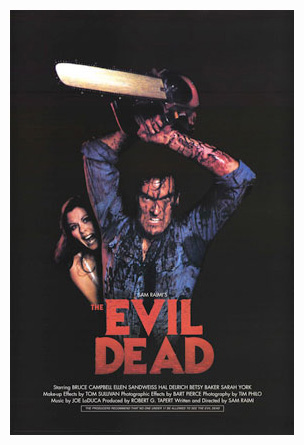
I'll be analysing the title sequences from 2 movie, that I have analysed from the past. The ones I have chosen are 1987's horror comedy Evil Dead 2 and the 1968 Crime/Action Bullitt.
EVIL DEAD 2:
The title sequence as well as the some of various special effects featured, was designed by Katherine Kean, who is also responsible for the opening titles of John Carpenter's The Thing (1982). The sequence features plenty of interesting special effects using many different types of methods to achieve different effects. Stop-motion, tradition animation and the use of green screen.
The beginning features a fog, with ominous music playing. An object appears to haphazardly move closer to the screen from the fog, and it appears to be the Necronomicon Ex Mortis upon stopping, and which the narrator later describes to us. An interesting special effect appears, where the 'face' of the book appears to bulge, and then eyes and numerous teeth appear where appropriate, before the camera zooms into its mouth (very cheesy looking though.)
After zooming in, there appears to be a vortex of sorts swirling in the background, accompanied with the continuing narration and a slight change in music, where it seems more prominent and creepy. Various bizarre and creepy creatures (called Deadites) appear to fly out of the vortex towards the screen, with strange shrieks, giggles and growls being heard alongside the passing Deadites.
The screen begins to turn red, before the vortex fades out and reveals an ocean of blood, with a thunderstrike-like noise appearing alongside the transition. An open Necronomicon fades into the shot, and using impressive stop-motion, bizarre 'demonic writing' and creepy illustrations are quickly drawn onto the quickly turning pages. The writing and drawings appear faster, the pages turn quicker, and then the book slams shut with a long *thud*, before flying off haphazardly (yet again) off screen. The screen then fades to black.
The music changes yet again, to more creepy and 'bombastic' music as the main titles appear. The fog from the start of the opening returns more aggressively, with loud 'rushing' wind sound effects playing with the 'bursts' of fog. The fog morphs into text, the credit for the film. The only credit of the opening appears:
"RENAISSANCE PICTURES PRESENTS"
The only reason there are no credits for actors or directors is because this film is quite low budget and the people behind it were not as big at the time. Sam Raimi (the director) has gone on to become a much more popular and well-known director nowadays (Evil Dead Trilogy, Darkman, Spider-Man Trilogy, Drag Me To Hell, Oz: The Great and Powerful, etc...), but at this point, Evil Dead 2 was the third 'proper' film he directed (after The Evil Dead and Crimewave, and various Super 8 films he made with his friends and family that aren't important), and he was only well known for Evil Dead. Bruce Campbell (the main star) also 'suffered' the same fate. He hadn't been in much by that point, other than for the first Evil Dead) and wasn't as well known as he is today, so he, nor anyone else, was mentioned in the opening credits.
After the credits, the text is slowly fades out and turns back into the fog, the fog blows around again, and the main titles reading "EVIL DEAD" appear on screen, using the typeface similar to that used in various promotional materials for the first Evil Dead film.

The roman numerals "II" fade in behind the logo, and the both the text and the numerals begin to move closer to the screen, with the music getting louder, and the text beginning to rotate, as it closes into the screen. After the text passes by, the 'camera' moves between the space of the "II" numeral and fades into footage of the inside of a tunnel, starting the film.
BULLITT:
These opening titles were designed by Pablo Ferro who, like Saul Bass, is one of the most well known movie title designers of all time. These opening credits play during the 'actual' start of the film, where the plot begins. The credits are accompanied by the "slick" and "cool" music by the legendary Lalo Schrifin. The film starts with the 'Warner Bros. - Seven Arts emblem shape fading into the establishing shot of San Francisco at night time, before the 'W' and '7' are 'drawn' into the emblem.
The opening then cuts to a close up of a lamp, with a round shape and reflective material, so we can see some of the scene where the opening is set. We see slight movement in the darkness. Due to the strange, unnatural movement, we are unaware of whether it was a person or moving lights that we saw. Text displaying the main stars name (Steve McQueen) appears onscreen, and as the camera zooms out, the text moves upwards, yet a non coloured version of the text with some footage behind it remains after the white text leaves the shot. This text then zooms into the screen, showing us the next shot. The text is overlayed above the next shot, and it moves into the screen to fully reveal the next shot. This is an incredibly creative way of transitioning between scenes.
After transitioning to the next shot, the title fades in over footage of various men 'hiding in the shadows' with light underneath their faces, giving them a creepy and mysterious feel. We also might know that these people are the villains. As previously stated, they are shrouded in shadow, which may mean they were the moving objects from earlier, so it seems that they may be somewhere where they should't be, and they might do something bad as well. After the panning shot of these mysterious people, the "BULLITT" text slides out similarly to earlier, transitioning to the next shot, showing a panning shot from the same location, so we know where the scene takes place more clearly rather than just seeing the location the distorted image off a lamp. "ROBERT VAUGHN" is the next name shown, and after that, the next shot shows the name "JACQUELINE BISSET". These three are the only cast names that appear individually, probably in order of both popularity and relevance to the story. McQueen is the star of the film and the most popular of the cast, Vaughn is a fairly major character to the film and is also well known, especially for his work in "The Man From U.N.C.L.E." series. Bisset is the main characters girlfriend, but she also wasn't a particularly big star at this point, but was very popular for her earlier roles in films such as "The Detective" and others, where she ended up getting awards for and where she was believed to be one the biggest newcomers of the year (1968?).
The cast credits after this show 4 at a time, and the titles don't have a similar transition effect like the earlier credits, but these titles instead slide offscreen to the sides (with a couple going opposite ways to another) and there is no 'fancy' transition effect, but instead, other credits just fading in playing over a long lasting shot panning across fairly close up objects in the room. This shows these cast members have less relevance to the story compared to the previously shown stars. After these credits, the text "featuring" fades in and shows the other less relevant cast members in a text scroll from bottom to top (like tradition end credits). After these cast members pass by, the other filmmaker credits aside from the cast appear on screen, scrolling from right to left (and vice versa). In the first instance, only the role of the person scrolls across the screen, with the person responsible fading in and out of the shot underneath the sliding credits. After the shot ends (revealing a couple names), we see more credits which now has both the role and the name sliding in from both ends, with more interesting footage playing, showing some kind of robbery. During this scene, credits start scrolling from all sides at some point, with a fairly similar structure to how previously mentioned title sequences (like Gone Girl) are presented, but with the music appearing much closer to the end/more important roles such as producers, screenwriters, what the film was based on and such. This might imply that the musician was fairly important to the film, or maybe that Lalo Schrifin was very popular back then so he appeared later to seem more important or to be a 'bigger reveal'.
When the title of 'Executive Producer' appears back on screen, it brings back the transitional effect from early on in the credits (when the title and early cast was shown). The next two credits (Producer and Director) also retain this. The film may be trying to signify that these credits, alongside the main cast, are the most important to the film. After the last credit; "DIRECTOR - PETER YATES" appears, it transitions into next scene, after the title sequence where the rest of the story will take place.
EVIL DEAD 2:
The title sequence as well as the some of various special effects featured, was designed by Katherine Kean, who is also responsible for the opening titles of John Carpenter's The Thing (1982). The sequence features plenty of interesting special effects using many different types of methods to achieve different effects. Stop-motion, tradition animation and the use of green screen.
The beginning features a fog, with ominous music playing. An object appears to haphazardly move closer to the screen from the fog, and it appears to be the Necronomicon Ex Mortis upon stopping, and which the narrator later describes to us. An interesting special effect appears, where the 'face' of the book appears to bulge, and then eyes and numerous teeth appear where appropriate, before the camera zooms into its mouth (very cheesy looking though.)
After zooming in, there appears to be a vortex of sorts swirling in the background, accompanied with the continuing narration and a slight change in music, where it seems more prominent and creepy. Various bizarre and creepy creatures (called Deadites) appear to fly out of the vortex towards the screen, with strange shrieks, giggles and growls being heard alongside the passing Deadites.
The screen begins to turn red, before the vortex fades out and reveals an ocean of blood, with a thunderstrike-like noise appearing alongside the transition. An open Necronomicon fades into the shot, and using impressive stop-motion, bizarre 'demonic writing' and creepy illustrations are quickly drawn onto the quickly turning pages. The writing and drawings appear faster, the pages turn quicker, and then the book slams shut with a long *thud*, before flying off haphazardly (yet again) off screen. The screen then fades to black.
The music changes yet again, to more creepy and 'bombastic' music as the main titles appear. The fog from the start of the opening returns more aggressively, with loud 'rushing' wind sound effects playing with the 'bursts' of fog. The fog morphs into text, the credit for the film. The only credit of the opening appears:
"RENAISSANCE PICTURES PRESENTS"
The only reason there are no credits for actors or directors is because this film is quite low budget and the people behind it were not as big at the time. Sam Raimi (the director) has gone on to become a much more popular and well-known director nowadays (Evil Dead Trilogy, Darkman, Spider-Man Trilogy, Drag Me To Hell, Oz: The Great and Powerful, etc...), but at this point, Evil Dead 2 was the third 'proper' film he directed (after The Evil Dead and Crimewave, and various Super 8 films he made with his friends and family that aren't important), and he was only well known for Evil Dead. Bruce Campbell (the main star) also 'suffered' the same fate. He hadn't been in much by that point, other than for the first Evil Dead) and wasn't as well known as he is today, so he, nor anyone else, was mentioned in the opening credits.
After the credits, the text is slowly fades out and turns back into the fog, the fog blows around again, and the main titles reading "EVIL DEAD" appear on screen, using the typeface similar to that used in various promotional materials for the first Evil Dead film.
BULLITT:
These opening titles were designed by Pablo Ferro who, like Saul Bass, is one of the most well known movie title designers of all time. These opening credits play during the 'actual' start of the film, where the plot begins. The credits are accompanied by the "slick" and "cool" music by the legendary Lalo Schrifin. The film starts with the 'Warner Bros. - Seven Arts emblem shape fading into the establishing shot of San Francisco at night time, before the 'W' and '7' are 'drawn' into the emblem.
The opening then cuts to a close up of a lamp, with a round shape and reflective material, so we can see some of the scene where the opening is set. We see slight movement in the darkness. Due to the strange, unnatural movement, we are unaware of whether it was a person or moving lights that we saw. Text displaying the main stars name (Steve McQueen) appears onscreen, and as the camera zooms out, the text moves upwards, yet a non coloured version of the text with some footage behind it remains after the white text leaves the shot. This text then zooms into the screen, showing us the next shot. The text is overlayed above the next shot, and it moves into the screen to fully reveal the next shot. This is an incredibly creative way of transitioning between scenes.
After transitioning to the next shot, the title fades in over footage of various men 'hiding in the shadows' with light underneath their faces, giving them a creepy and mysterious feel. We also might know that these people are the villains. As previously stated, they are shrouded in shadow, which may mean they were the moving objects from earlier, so it seems that they may be somewhere where they should't be, and they might do something bad as well. After the panning shot of these mysterious people, the "BULLITT" text slides out similarly to earlier, transitioning to the next shot, showing a panning shot from the same location, so we know where the scene takes place more clearly rather than just seeing the location the distorted image off a lamp. "ROBERT VAUGHN" is the next name shown, and after that, the next shot shows the name "JACQUELINE BISSET". These three are the only cast names that appear individually, probably in order of both popularity and relevance to the story. McQueen is the star of the film and the most popular of the cast, Vaughn is a fairly major character to the film and is also well known, especially for his work in "The Man From U.N.C.L.E." series. Bisset is the main characters girlfriend, but she also wasn't a particularly big star at this point, but was very popular for her earlier roles in films such as "The Detective" and others, where she ended up getting awards for and where she was believed to be one the biggest newcomers of the year (1968?).
The cast credits after this show 4 at a time, and the titles don't have a similar transition effect like the earlier credits, but these titles instead slide offscreen to the sides (with a couple going opposite ways to another) and there is no 'fancy' transition effect, but instead, other credits just fading in playing over a long lasting shot panning across fairly close up objects in the room. This shows these cast members have less relevance to the story compared to the previously shown stars. After these credits, the text "featuring" fades in and shows the other less relevant cast members in a text scroll from bottom to top (like tradition end credits). After these cast members pass by, the other filmmaker credits aside from the cast appear on screen, scrolling from right to left (and vice versa). In the first instance, only the role of the person scrolls across the screen, with the person responsible fading in and out of the shot underneath the sliding credits. After the shot ends (revealing a couple names), we see more credits which now has both the role and the name sliding in from both ends, with more interesting footage playing, showing some kind of robbery. During this scene, credits start scrolling from all sides at some point, with a fairly similar structure to how previously mentioned title sequences (like Gone Girl) are presented, but with the music appearing much closer to the end/more important roles such as producers, screenwriters, what the film was based on and such. This might imply that the musician was fairly important to the film, or maybe that Lalo Schrifin was very popular back then so he appeared later to seem more important or to be a 'bigger reveal'.
When the title of 'Executive Producer' appears back on screen, it brings back the transitional effect from early on in the credits (when the title and early cast was shown). The next two credits (Producer and Director) also retain this. The film may be trying to signify that these credits, alongside the main cast, are the most important to the film. After the last credit; "DIRECTOR - PETER YATES" appears, it transitions into next scene, after the title sequence where the rest of the story will take place.
Friday, 14 October 2016
Blogging Task 9
Mt two favorite films are Law abiding citizen and The Dark knight. The two movies are both hybrid genres of thriller; The dark knight being a superhero thriller and law abiding citizen a crime taut thriller.
Thursday, 13 October 2016
The order the title credits in GONE GIRL
ORDER OF CREDITS:
- TWENTIETH CENTURY AND REGENCY ENTERPRISES PRESENT IDENTS
- A DAVID FINCHER FILM
- BEN AFFLECK
- ROSMUND PIKE
- GONE GIRL
- NEIL PATRICK HARRIS
- TYLER PERRY
- CARRIE COON
- KIM DICKENS PATRICK FUGIT
- DAVID CLENNON LISA BANES
- CASTING BY LARAY MAYFIELD, CSA
- SOUND DESIGN BY REN KLYCE
- MUSIC BY TRENT REZNOR & ATTICUS ROSS
- COSTUME DESIGNER TRISH SUMMERVILE
- FILM EDITOR KIRK BAXTER, ACE
- PRODUCTION DESIGNER DONALD GRAHAM BURT
- DIRECTOR OF PHOTOGRAPHY JEFF CRONENWETH, ASC
- EXECUTIVE PRODUCERS LISILE DIXON BRUNA PAPANDREA
- PRODUCED BY ARNON MILCHAN REESE WITHERSPOON
- PRODUCED BY CEÅN CHAFFIN page JOSHUA DONEN
- BASED ON NOVEL BY GILIAN FLYNN
- SCREENPLAY BY GILIAN FLYNN
- DIRECTED BY DAVID FINCHER
Looking at the order of credits I'm kind of surprise that the Director's name comes in the beginning and the end I thought in a title credits names can't to repeated. I also notice the title of the film does not come in the beginning or end, it's 5th in the order. So comparing back to the previous student work that I have analysed I realise the titles come at the end e.g EMILY - therefore the broke the rule of order of credit. So I will make sure I will not make that mistake in the film opening that I will create.
TASK 9: Favourite Films titles
My favourite films include Jurassic Park and Alien. Both have fairly interesting opening title sequences which I will now analyse.


JURASSIC PARK:
These credits are not particularly flashy or long. Though they are not very special, it does get the feeling of the film across in less than a minute, with no dialogue.
The Universal Pictures Ident doesn't have it's usual fanfare, but instead has ambience, sounds of crickets and insects. It gives the audience a 'primal' jungle feel. Since the film is about a park for dinosaurs, this is very fitting. Only 3 credits appear on screen;
"UNIVERSAL PICTURES PRESENTS"
"AN AMBLIN ENTERTAINMENT PRODUCTION"
"JURASSIC PARK"
This film keeps it's credits short and simple, and does not reveal anything about the film. The credits are in an unusual font on a black screen. When the text fades out, the inner red text remains on screen for a short time, turning darker, almost into a blood red type of colour, possibly foreshadowing the violence of the film. The music also helps give the film a dark, foreboding feel. When each credit appears, a "DUN" (?) sound is heard, with a quiet choir humming/singing (?) when the text begins to fade. This sounds fairly creepy and leaves an impact on the audience, similar to how other John Williams scores such as Jaws have fairly quiet, yet creepy music during the start of the title sequence (though unlike Jaws, this theme doesn't build up to something more creepy and memorable). When the title of the film appears, rather than a choir, a fairly quiet flute (???) plays, also adding to the "creepy and primal" feeling of the film. Though a lot of the earlier scenes portray the film to be more lighthearted, we anticipate the film taking a darker turn at some point.
ALIEN:
These credits are quite long, interesting, and still not particularly flashy. The opening pans across an image of space and an unnamed planet, while the credits and title appear. After the 20th Century Fox Ident, the credits appear in the order:
"a Brandywine-Ronald Shusett production"
"a Ridley Scott film"
"Tom Skeritt"
"Sigourney Weaver"
"Veronica Cartwright"
"Harry Dean Stanton"
"John Hurt"
"Ian Holm"
"and Yaphet Kotto as Parker"
"music by Jerry Goldmith
conducted by Lionel Newman
(copyright information on the bottom of the screen)"
"executive producer Ronald Shusett"
"screenplay by Dan O'Bannon
story by Dan O'Bannon and Ronald Shusett"
"produced by Gordon Carroll
David Glier
and
Walter Hill"
"directed by Ridley Scott"
This credits structure is similar to the structure of the Gone Girl credits and most other films, though the title doesn't appear between credits but is gradually forming above slowly (which I will later get back into). Like Gone Girl, it shows the 'big companies' behind the film first and who the film is 'by' (the director). The cast then appears afterwards, and it shows a fairly bizarre sequence. Out of the actors shown, the biggest ones at the time probably would've been Tom Skeritt, Veronica Cartwright and Yaphet Kotto. Tom Skeritt shows up first, as expected, but Sigourney Weaver appears second, before Veronica. It seems the credits also show the cast in order of plot importance as well as the bigger stars. At this point in time, Sigourney Weaver was not well known and this was her first big movie, as well as the film that put her 'on the map'. She most likely appears second because she plays the protagonist of the film; Ellen Ripley. Cartwright appears afterwards, despite her role in the film not being too big, so the film probably goes back into 'popularity order'. Yaphet Kotto appears last, despite being a fairly big star at this point already, such as starring as the main villain in the Bond film Live and Let Die. Kotto is also the only actor to have his character's name appear. Maybe Kotto was displayed last with his character name visible, maybe due to being the biggest star out of the cast, and he gets a 'special mention' of sorts. Similar to Gone Girl, the artist behind the films soundtrack appears not too long after the cast, and then prominent figures of the films development appear afterwards, ending in the most important role of director.
The title is the most interesting part of the title sequence. It is the same type of title appearance that appeared in the incredibly popular trailer for Alien:
The individual letters form with each individual piece of the letter, one at a time. The letters on the edges (A and N) would form first, then I (which is only one piece so remains there unchanged after first appearing), then the middle pieces (L and E) form, and then the steps repeat until the words form.


JURASSIC PARK:
These credits are not particularly flashy or long. Though they are not very special, it does get the feeling of the film across in less than a minute, with no dialogue.
The Universal Pictures Ident doesn't have it's usual fanfare, but instead has ambience, sounds of crickets and insects. It gives the audience a 'primal' jungle feel. Since the film is about a park for dinosaurs, this is very fitting. Only 3 credits appear on screen;
"UNIVERSAL PICTURES PRESENTS"
"AN AMBLIN ENTERTAINMENT PRODUCTION"
"JURASSIC PARK"
This film keeps it's credits short and simple, and does not reveal anything about the film. The credits are in an unusual font on a black screen. When the text fades out, the inner red text remains on screen for a short time, turning darker, almost into a blood red type of colour, possibly foreshadowing the violence of the film. The music also helps give the film a dark, foreboding feel. When each credit appears, a "DUN" (?) sound is heard, with a quiet choir humming/singing (?) when the text begins to fade. This sounds fairly creepy and leaves an impact on the audience, similar to how other John Williams scores such as Jaws have fairly quiet, yet creepy music during the start of the title sequence (though unlike Jaws, this theme doesn't build up to something more creepy and memorable). When the title of the film appears, rather than a choir, a fairly quiet flute (???) plays, also adding to the "creepy and primal" feeling of the film. Though a lot of the earlier scenes portray the film to be more lighthearted, we anticipate the film taking a darker turn at some point.
ALIEN:
These credits are quite long, interesting, and still not particularly flashy. The opening pans across an image of space and an unnamed planet, while the credits and title appear. After the 20th Century Fox Ident, the credits appear in the order:
"a Brandywine-Ronald Shusett production"
"a Ridley Scott film"
"Tom Skeritt"
"Sigourney Weaver"
"Veronica Cartwright"
"Harry Dean Stanton"
"John Hurt"
"Ian Holm"
"and Yaphet Kotto as Parker"
"music by Jerry Goldmith
conducted by Lionel Newman
(copyright information on the bottom of the screen)"
"executive producer Ronald Shusett"
"screenplay by Dan O'Bannon
story by Dan O'Bannon and Ronald Shusett"
"produced by Gordon Carroll
David Glier
and
Walter Hill"
"directed by Ridley Scott"
This credits structure is similar to the structure of the Gone Girl credits and most other films, though the title doesn't appear between credits but is gradually forming above slowly (which I will later get back into). Like Gone Girl, it shows the 'big companies' behind the film first and who the film is 'by' (the director). The cast then appears afterwards, and it shows a fairly bizarre sequence. Out of the actors shown, the biggest ones at the time probably would've been Tom Skeritt, Veronica Cartwright and Yaphet Kotto. Tom Skeritt shows up first, as expected, but Sigourney Weaver appears second, before Veronica. It seems the credits also show the cast in order of plot importance as well as the bigger stars. At this point in time, Sigourney Weaver was not well known and this was her first big movie, as well as the film that put her 'on the map'. She most likely appears second because she plays the protagonist of the film; Ellen Ripley. Cartwright appears afterwards, despite her role in the film not being too big, so the film probably goes back into 'popularity order'. Yaphet Kotto appears last, despite being a fairly big star at this point already, such as starring as the main villain in the Bond film Live and Let Die. Kotto is also the only actor to have his character's name appear. Maybe Kotto was displayed last with his character name visible, maybe due to being the biggest star out of the cast, and he gets a 'special mention' of sorts. Similar to Gone Girl, the artist behind the films soundtrack appears not too long after the cast, and then prominent figures of the films development appear afterwards, ending in the most important role of director.
The title is the most interesting part of the title sequence. It is the same type of title appearance that appeared in the incredibly popular trailer for Alien:
The individual letters form with each individual piece of the letter, one at a time. The letters on the edges (A and N) would form first, then I (which is only one piece so remains there unchanged after first appearing), then the middle pieces (L and E) form, and then the steps repeat until the words form.
- / \
- / I \
- / | I | \
- /\ | I | \|
- /\ L I [ \| (The unfinished E doesn't look too good)
- /\ L I [ N
- A L I E N
Wednesday, 12 October 2016
Analyse a film title sequence
Fast and Furious 6
-Its starts with racing car noise which you will normally hear on car video games
-The title sequence is animated , that could mean loads things we may see in the film is animated
-You can already tell that its an action movie because the tone of the song , the burning plain , some one jumping out of the car and the explosion.
-Then we get introduce to the crime genre , where we see Dwayne Johnson holding a gun
-Each character is present with photo and the name next to them
-Through out the title sequence the background stayed black so that the actions really stands out
The writing are really simple, all in capitals and bold
-Its starts with racing car noise which you will normally hear on car video games
-The title sequence is animated , that could mean loads things we may see in the film is animated
-You can already tell that its an action movie because the tone of the song , the burning plain , some one jumping out of the car and the explosion.
-Then we get introduce to the crime genre , where we see Dwayne Johnson holding a gun
-Each character is present with photo and the name next to them
-Through out the title sequence the background stayed black so that the actions really stands out
The writing are really simple, all in capitals and bold
Opening Title Sequence Credit Order

 Presenters of the film.

---------------------------------------
The well-known director of the film comes before the actors as it's promoted and sold as a David Fincher film.
--------------------------------------

Lead role and well known actor displayed in the centre of the screen. Clearly important and used to promote the film to the audience.
--------------------------------------

 Second lead role also displayed in the centre of the screen.
--------------------------------------
Title of the film with the first shot that shows the setting of the film in the background.


Lesser roles still played by some recognisable actors. They appear in the corner of the shots so the audience can focus on the setting instead of the credits.

--------------------------------------


Lesser roles with lesser actors appear. Two actors share the same shot for their credits.
--------------------------------------


 Casting director is shown directly after the actors.
--------------------------------------
Sound designer and Music composers put one after the other, both working on the audio of & for the film.
--------------------------------------
Costume designer, film editor, production designer and director of photography all put one after the other as they all worked on the visuals of the film.
--------------------------------------
Executive producers with the producers of the film after.
--------------------------------------
Credit to the author that wrote the novel which the movie is based on. He's also been credited for the screenplay of the film.
--------------------------------------
Finally, the director of the film's name is shown once again at the end.
Subscribe to:
Posts (Atom)